
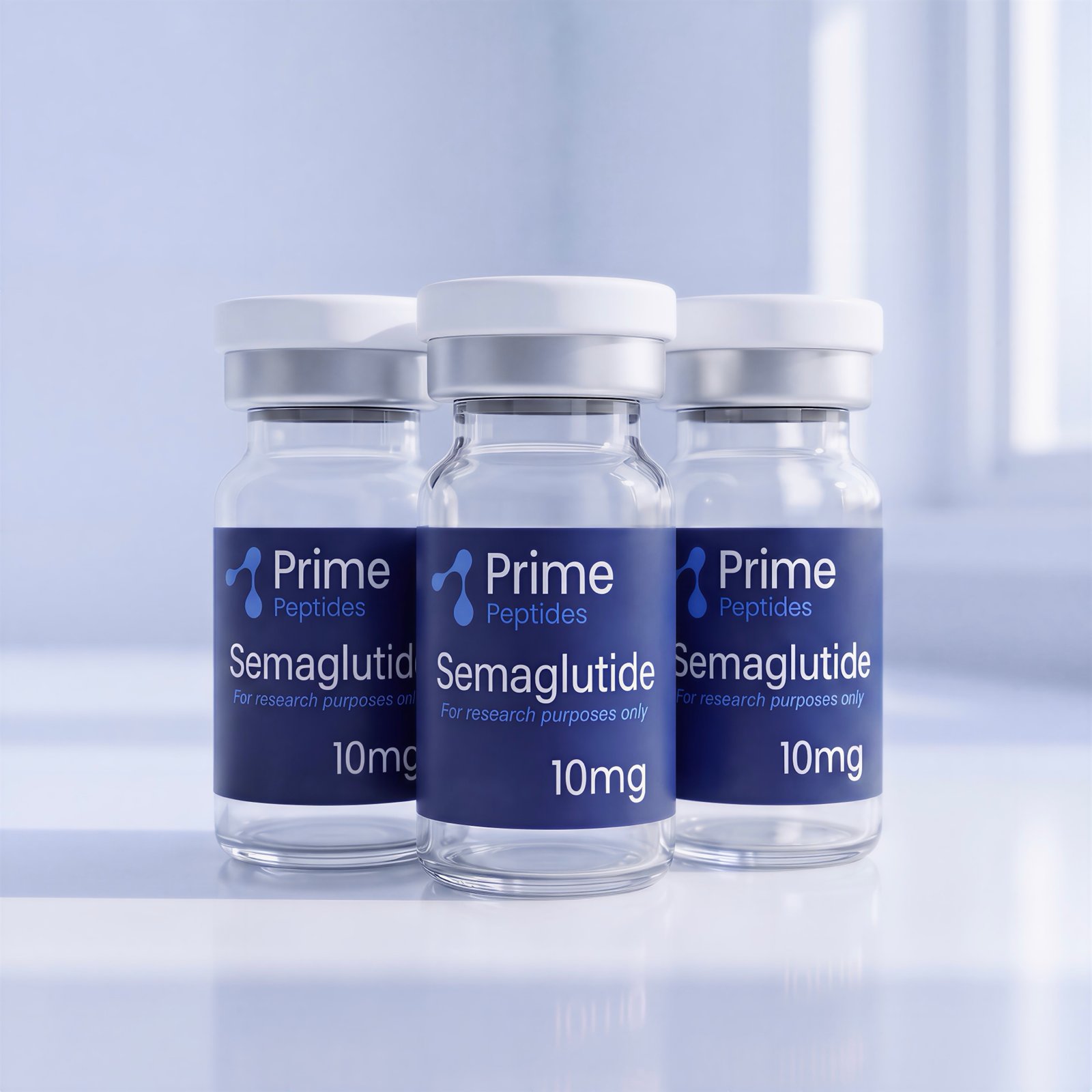
Semaglutide 10mg 3 Vials: GLP-1 Research Peptide
Research Use Disclaimer:
All peptides offered by Prime Peptides are strictly intended for laboratory research purposes only. These products are not approved for human consumption, medical use, therapeutic applications, or diagnostic procedures. By purchasing or accessing information on this site, you acknowledge that it is your responsibility to comply with all applicable local, provincial/state, and federal laws and regulations regarding the handling, use, and storage of research chemicals and peptides. Prime Peptides assumes no liability for misuse, improper handling, or application of any products.
Research Profile
See product status
A concise product record covering the stated research format and supporting batch documentation.
- Compound
- —
- Stated amount
- —
- Format
- —
Access the current Certificate of Analysis index and batch-specific verification records.
Open COA index ↗Semaglutide is a synthetic research peptide belonging to the GLP-1 (glucagon-like peptide-1) receptor agonist class. It is widely studied for its effects on glucose regulation, metabolic signaling, gastric emptying, and energy balance in preclinical and in-vitro research models.
Designed with enhanced stability and a prolonged half-life, Semaglutide is an advanced tool for studying incretin-based metabolic pathways.
Scientific Background
Semaglutide is an analog of the native GLP-1 hormone, engineered to resist enzymatic breakdown and maintain prolonged receptor activation. In experimental systems, GLP-1 receptor activation is known to influence:
- Insulin sensitivity
- Glucose uptake
- Appetite-regulation pathways
- Gastric emptying speed
- Energy metabolism
By modifying the native GLP-1 structure, Semaglutide displays significantly higher stability and receptor affinity compared to earlier incretin analogues.
Research Areas of Interest
All information below is strictly for laboratory, scientific, and in-vitro research discussion only.
1. Glucose Regulation Pathways
Semaglutide is widely used in research models to study:
- Glucose homeostasis
- Insulin modulation
- Pancreatic β-cell signaling
2. Metabolic & Endocrine Research
Its GLP-1 receptor activity makes it valuable for investigating:
- Metabolic rate changes
- Appetite signaling
- Hormonal crosstalk in metabolic tissues
3. Gastrointestinal Function Models
Research also explores potential roles in:
- Gastric emptying
- Gut-brain communication
- Intestinal hormone signaling
4. Energy Balance & Weight-Regulation Systems
Preclinical models evaluate Semaglutide’s impact on:
- Energy expenditure
- Central appetite-regulation pathways
- Caloric intake modulation
5. Comparison to Other Incretin Pathways
Semaglutide is frequently studied alongside:
- Tirzepatide (GLP-1/GIP dual agonist)
- Retatrutide (GLP-1/GIP/Glucagon triple agonist)
- Liraglutide (earlier GLP-1 analog)
This allows researchers to evaluate differences in potency, stability, and receptor engagement.
Molecular Profile
- Peptide: Semaglutide
- Type: GLP-1 Receptor Agonist
- Sequence Length: 31 amino acids (synthetic analogue with modifications)
- Form: Lyophilized powder
- Purity: ≥ 98% (HPLC tested)
Semaglutide includes proprietary fatty-acid and amino-acid modifications to extend half-life and is not typically displayed as a full open-source sequence by peptide suppliers.
Storage & Stability
- Store lyophilized peptide at –20°C
- Protect from heat, moisture, and light
- Use reconstituted material promptly or store following laboratory protocol
- Avoid repeated freeze-thaw cycles
Each 3ml vial is formulated with 10mg of highly purified (>99%) lyophilized Semaglutide, produced in sterile environments that meet research-grade standards. Prime Peptides validates every batch through third-party laboratory testing to ensure exact molecular composition, stable peptide structure, and consistent results suitable for a wide range of experimental designs.
Research Use Disclaimer:
All peptides offered by Prime Peptides are strictly intended for laboratory research purposes only. These products are not approved for human consumption, medical use, therapeutic applications, or diagnostic procedures. By purchasing or accessing information on this site, you acknowledge that it is your responsibility to comply with all applicable local, provincial/state, and federal laws and regulations regarding the handling, use, and storage of research chemicals and peptides. Prime Peptides assumes no liability for misuse, improper handling, or application of any products.Lab Report
Research Use Disclaimer
Research Use Only: All products offered are intended strictly for laboratory research purposes. Products are not for human consumption and are not intended for diagnostic, therapeutic, or medical use. By purchasing from our website, customers confirm they are qualified researchers or laboratories and understand the intended research-use designation.
Related Compounds
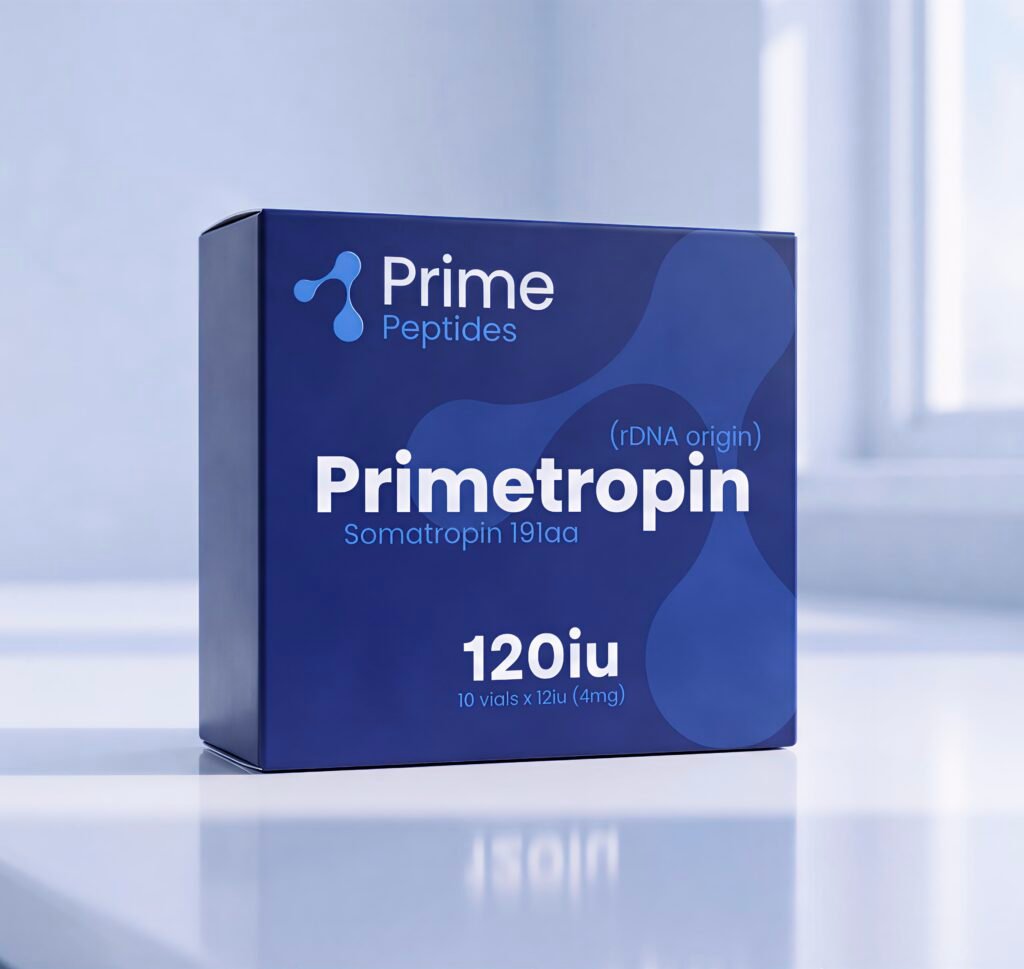
GH 120iu: 12iu x 10 Vials
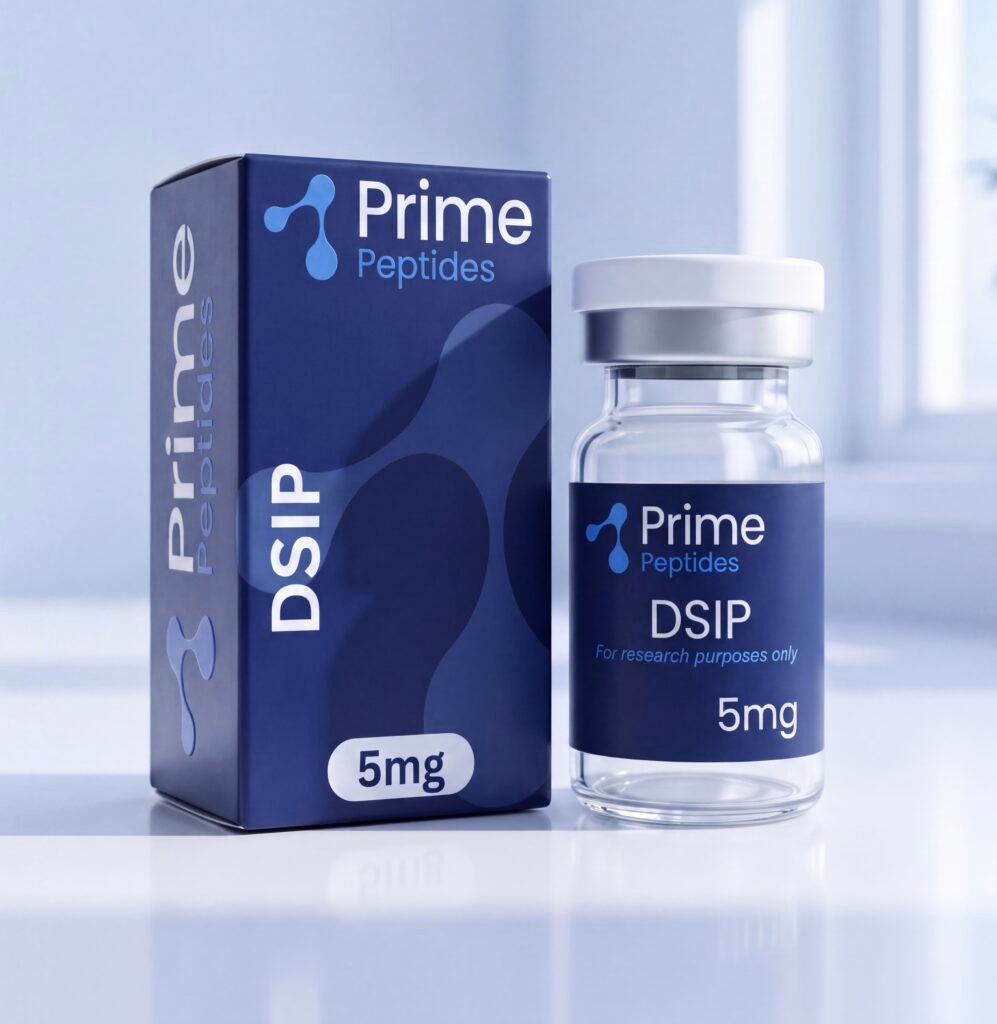
DSIP 5mg: Delta Sleep-Inducing Peptide

Ipamorelin 5mg Nasal Spray: 100mcg per Spray